Complete Guide to Roofer
Experienced Roof Services: Defend Your Home With Excellent Construction
Committing to professional roof services is essential for maintaining a home's foundational stability. Skilled craftsmanship not only avoids common issues including water infiltration and wind damage but also enhances the property's overall value. Homeowners need to consider the lasting advantages of experienced contractors who employ high-quality materials. Recognizing the significance of these solutions can lead to improved choices for home maintenance and protection. What considerations should homeowners weigh when selecting a roof specialist?
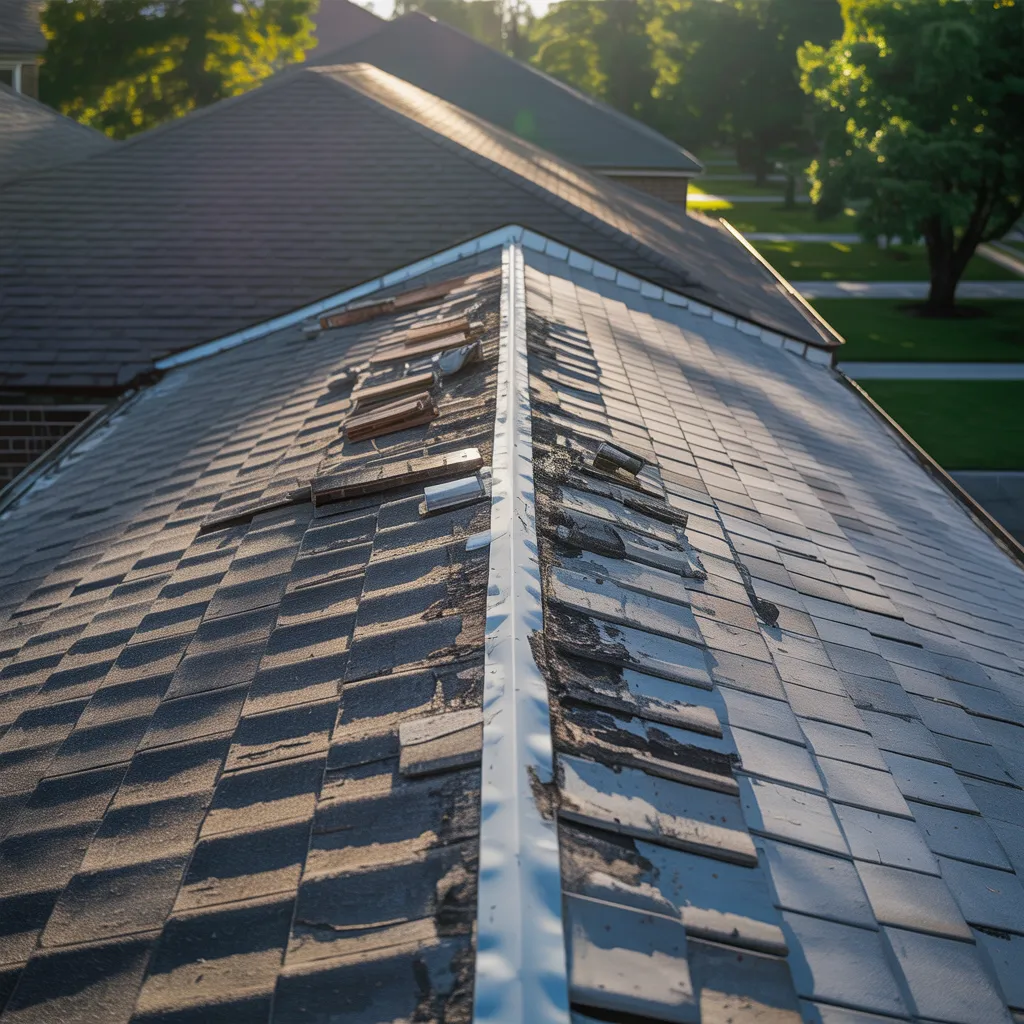
How Quality Roofing Protects Your Home Investment
Quality roofing acts as a essential barrier against the elements, safeguarding a home's structural integrity and overall value. A well-made roof eliminates water infiltration, which can lead to mold, rot, and costly repairs. It also protects against wind damage and extreme temperatures, ensuring that insulation remains effective, thereby optimizing energy efficiency. Quality materials, such as asphalt shingles or metal roofing, guarantee longevity and curtail the need for frequent maintenance or replacement.
In addition, a quality roof improves visual presentation, strengthening the home's marketability. Prospective buyers are often discouraged by indications of roofing issues, which can diminish a property's market value. Investing in excellent roofing not only provides prompt protection but also represents a long-term investment that delivers returns in the form of lower insurance rates and increased equity. Homeowners who prioritize quality roofing ultimately defend their financial stakes in the property.
Top 5 Reasons to Opt for Skilled Roofing Services
Choosing expert roofing services can greatly influence the longevity and durability of a home’s roof. To begin with, trained professionals hold wide-ranging knowledge and experience, guaranteeing that installations and repairs comply with industry standards. Secondly, expert roofing services commonly provide warranties, offering peace of mind and protecting the homeowner’s investment. Thirdly, they employ top-quality materials, improving durability and strength against extreme weather conditions. Fourthly, professionals assure compliance with local building codes and regulations, mitigating the risk of legal complications later. Finally, by engaging experts, homeowners benefit from timely project completion, minimizing disruptions to everyday life. These five reasons emphasize the importance of selecting expert roofing services to protect both the roof and the overall worth of the property. Investing in professionals not only strengthens structural integrity but also contributes to the long-term maintenance and visual charm of a home.
Key Traits to Search for in a Roofing Contractor
When selecting a roofing contractor, several important qualities are crucial for guaranteeing a successful project. Expertise and expertise in the field, along with proper licensing and insurance, provide a foundation of dependability. Additionally, the use of quality materials can significantly impact the longevity and effectiveness of the roofing solution.
Background and Expertise
Navigating the realm of roofing contractors demands a sharp eye for experience and skill. Homeowners should focus on contractors with a proven track record of accomplished projects, as view this this shows reliability and skill. Experienced contractors are typically well-versed in different roofing materials and techniques, ensuring they can tackle diverse challenges effectively. Additionally, expertise frequently translates into better problem-solving skills, which can prevent issues during installation or repairs. Engaging a contractor with broad knowledge can also lead to valuable recommendations that improve the roofing system's longevity and performance. Ultimately, selecting a contractor who represents both experience and expertise is essential for protecting the integrity of one’s investment in roofing services.
Licensing and Coverage
A qualified roofing contractor should always possess valid licensing and insurance, which are critical markers of professionalism and accountability. Licensing guarantees that the contractor meets industry standards and regulations, offering property owners peace of mind. It also demonstrates the contractor's commitment to quality workmanship and compliance to safety protocols. Insurance, meanwhile, shields both the contractor and the homeowner from potential liabilities. In the event of an accident or damage during the roofing project, adequate insurance coverage can forestall costly financial repercussions. Therefore, verifying a contractor's licensing and insurance status is essential. Homeowners are encouraged to obtain documentation and validate its authenticity before hiring any roofing services, guaranteeing a safer and more reliable roofing experience.
Superior Resources Implemented
Quality materials are fundamental to the longevity and performance of a roof construction. When determining a roofing contractor, it is essential to inquire about the categories of supplies they use. High-quality shingles, underlayment, and flashing can greatly enhance longevity and weatherproofing to atmospheric conditions. Contractors should present materials that comply with industry standards and have verified durability. Additionally, cost-saving alternatives may contribute to minimized energy expenses. Homeowners should also consider product guarantees, as they can indicate the maker's trust in their offerings. By emphasizing high-grade components, homeowners can guarantee that their roofing investment is protected, ultimately yielding reduced maintenance costs and longer roof life.
Common Roofing Materials and Their Advantages
When examining roofing options, homeowners frequently evaluate the benefits of various materials. Asphalt shingles, metal roofing, and tile roofing each deliver unique benefits that meet different needs and preferences. Understanding these materials can help in selecting the right option for long-term roofing solutions.
Asphalt Shingles Details
Asphalt shingles stand as one of the most broadly utilized roofing materials due to their budget-friendly nature and versatility. Presented in a wide selection of colors and styles, they can match any architectural design, making them a sought-after choice for homeowners. These shingles are constructed of a fiberglass mat layered with asphalt and mineral granules, ensuring durability and resistance to elements. Their uncomplicated installation method creates lower labor costs, further boosting their appeal. Additionally, asphalt shingles often have a lifespan of 15 to 30 years, depending on the quality preferred. They also supply good fire resistance and can be repurposed at the end of their life cycle, making them an eco-friendly option. Overall, asphalt shingles present a functional solution for roofing needs.
Metal Roof Assets
Metal roofing provides a robust alternative to conventional roofing, recognized for its exceptional strength and lifespan. This type of roofing can endure severe weather, including heavy rain, snow, and high winds, rendering it appropriate for a range of climate zones. Furthermore, metal roofs are protected to rust, corrosion, and pests, which additionally prolongs their durability. They are also economical, bouncing back solar heat and possibly reducing cooling costs. Available in various styles and colors, metal roofing improves a home's visual appearance while providing substantial worth. Moreover, many metal roofing options are made from recycled materials, presenting an eco-conscious choice. Overall, the advantages of metal roofing make it an attractive option for homeowners seeking long-lasting protection and efficiency.
Tile Roof Advantages
Tile roofing is recognized as another popular option among homeowners, renowned for its unique blend of aesthetics and functionality. One of the primary advantages of tile roofing is its durability; tiles can withstand harsh weather conditions, including heavy rain and extreme temperatures. Additionally, tile roofs are fire-resistant, providing an added layer of safety. Their longevity often exceeds that of other materials, making them a cost-effective choice over time. Tile roofing also provides superior insulation properties, which can help reduce energy costs. The variety of styles and colors available allows homeowners to enhance their property’s curb appeal. Overall, tile roofing offers a solid investment, combining beauty, resilience, and efficiency for discerning homeowners.
The Value of Quality Construction in Roof Lifespan
Quality expertise is vital for maintaining a roof's lifespan and effectiveness. When skilled professionals complete roofing assignments, they use high-quality materials and precise techniques, which directly influence the roof's durability. Attention to detail, from proper installation methods to observance of building codes, decreases vulnerabilities that could cause leaks or structural damage.
Furthermore, seasoned roofers understand the distinct demands of multiple roofing options, enabling them to adjust their approach for maximum efficiency. This knowledge not only enhances the roof's lifespan but also promises that it can handle environmental challenges such as harsh weather conditions.
Investing in quality craftsmanship also leads to reduced repair needs over time, ultimately protecting homeowners from unexpected expenses. To sum up, the role of quality workmanship in roofing cannot be overstated; it is essential for achieving a long-lasting and effective roof that protects one's investment.
Maintenance Guidelines to Protect Your New Roof Purchase
Maintaining a new roof investment requires proactive maintenance to guarantee its longevity and effectiveness. Consistent inspections are important; homeowners should review for signs of wear or damage at least two times yearly and when following severe weather events. Cleaning gutters and downspouts averts water buildup, which can produce water problems. Additionally, removing debris such as branches and fallen leaves promotes adequate drainage.
Painting and re-sealing vulnerable sections prone to weather exposure can extend the roof's lifespan. Homeowners should ensure proper air circulation in the loft to prevent accumulation of moisture and roof deterioration. It is advisable to trim protruding branches to curtail the possibility of damage during storms.
In conclusion, bringing in a professional roofing service for frequent evaluations can discover issues before they escalate, making certain the roof remains in top condition. By implementing these maintenance tips, homeowners can maintain their property value and rest easy for years to come.
Common Frequently Posed Questions
How much time Does a Standard Roofing Installation Take?
A regular roofing installation usually takes 1-3 days, determined by the size and complexity of the project. Atmospheric conditions and the type of materials used can also alter the overall duration considerably.
What Warranty Options Can Be Found for Roof Installation?
Various warranties are accessible for roofing services, featuring material warranties, workmanship protection, and extended warranties. These warranties generally address defects and leaks, ensuring the homeowner's asset is shielded for a defined period after placement.
Is It Possible to Install a New Roof Over My Old One?
Yes, installing a new roof over an old one is doable, as long as it meets local building codes and structural soundness requirements. However, experts recommend removing old layers for better long-term performance and guarantee coverage.
How Do Environmental Factors Alter the Roofing Installation Process?
Weather conditions profoundly affect roofing installation, as intense heat, rainfall, and breezes can alter material adhesion and durability. Proper scheduling during favorable weather secures ideal performance and longevity of the roofing system.
What may I Do if My Roof Develops a Leak?
In the event of a roof water intrusion, you should contain the water initially, then determine the leak's location. Temporary repairs can be made with tarp materials, while professional assistance is recommended for permanent solutions to prevent further damage.